Bangkok is a city where people from different cultures, nationalities, and religious traditions live together. Buddhists, Christians, Muslims, and people of other faiths share the same streets, workplaces, and communities. This diversity gives us an opportunity to learn to live together, respect one another, and build a more fraternal world.
On October 18, representatives of different religious traditions gathered for an event called “Different Faiths, Shared Humanity.” They came together to talk, share their cultures, and reflect about migrants and refugees. The program included a dialogue among three religions—Catholic Christianity, Buddhism, and Islam—as well as international food, cultural performances, and community activities.
But what does interreligious dialogue really mean? It does not mean that we must all think alike or give up our own beliefs. It means learning to listen to one another, recognizing our shared humanity, and discovering how we can work together for the common good.
This journey is built on four important pillars: human dignity, honest dialogue, justice and forgiveness, and care for our common home. These values help us overcome prejudice, build trust, and make sure that no one is excluded because of their nationality, culture, or religion.
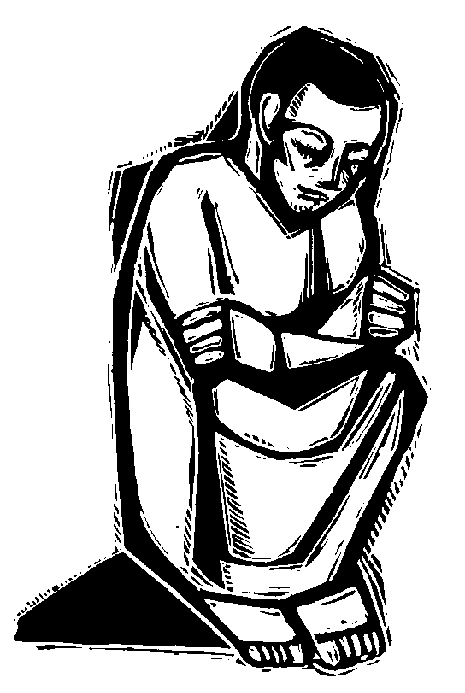
This message is especially important when we think about migrants and refugees. Behind every person who leaves their home, there is a story, a family, and dreams that may have been broken by war, persecution, or violence. Welcoming them means recognizing their dignity and giving them an opportunity to rebuild their lives. We do not need to share the same religion to reach out to someone who is suffering.
For us Christians, this commitment is inspired by Jesus and his prayer to the Father: “That they may all be one” (John 17:21). Jesus is the Son of God, and he reveals a love that goes beyond human barriers. His life teaches us to approach others, listen to their needs, and recognize their dignity. The unity Jesus desires does not mean that our differences disappear. It means learning to live with our differences without hatred or hostility.
This gathering also coincided with World Mission Sunday, which celebrates its 100th anniversary this year. Pope Leo XIV has chosen the theme “One in Christ, United in Mission.” His message reminds us that mission belongs to the whole Church. Our union with Christ must become visible through concrete acts of love, service, and solidarity.
The Pope also emphasizes the importance of praying for missionaries and generously supporting their work. We can all take part in the mission by praying, helping those in need, and witnessing to the Gospel through our daily lives.
Interreligious dialogue and Christian mission can walk together. As missionaries, we are called to proclaim Jesus Christ clearly while approaching others with humility and respect. God is already present in people's lives. Our task is to recognize his presence and build relationships of fraternity.
Even if we do not share the same religion, we share the same humanity. May our differences never divide us, but inspire us to work together for peace, human dignity, and hope. In this way, remaining faithful to our own beliefs, we can help make God's dream a reality: a humanity united by love.